


How to Clean a Leather Jacket: Complete Care Guide
(How To Clean Leather Jacket) A leather jacket is more than just outerwear—it’s an investment, a statement piece, and often a cherished companion that ages beautifully with proper care. Whether it’s a classic biker silhouette, a sleek racer, or a custom varsity sleeve, leather develops character over time, but only if you treat it right. Cleaning leather, however, is nothing like washing denim or cotton. One wrong move can cause cracking, discoloration, or permanent damage.
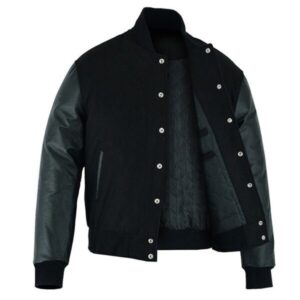
Buy Now Varsity Jackets With Leather Sleeves only in 119.99
This comprehensive guide will walk you through everything you need to know: from routine maintenance and spot cleaning to deep conditioning and stain removal.
Before You Begin: Know Your Leather
Not all leather is created equal. Identifying your jacket’s specific type of leather is crucial before attempting any cleaning method.
| Leather Type | Characteristics | Cleaning Approach |
|---|---|---|
| Full-Grain / Top-Grain | Natural surface, develops patina, durable | Gentle cleaning, condition regularly |
| Suede / Nubuck | Napped, velvety texture, delicate | Special suede brush/eraser only; never use water or liquid cleaners |
| Faux Leather (PU/PVC) | Synthetic, uniform texture, prone to peeling | Mild soap and water; cannot be conditioned |
| Patent Leather | High-gloss, coated finish | Wipe with damp cloth; use specialized patent cleaner |
| Vintage / Delicate | Aged, potentially dry or cracked | Professional cleaning strongly recommended |
When in doubt, test any cleaner on a hidden area (inside hem, underarm) before proceeding.
What You’ll Need
-
Soft microfiber cloths (lint-free)
-
Mild saddle soap or leather-specific cleaner
-
Distilled water (tap water minerals can leave residue)
-
Leather conditioner
-
Soft-bristled brush (horsehair or baby toothbrush)
-
White vinegar (for tough stains)
-
Cotton swabs
-
Leather protectant spray (optional, for finished leather)

Step 1: Routine Maintenance & Dust Removal
Before deep cleaning, establish a regular maintenance routine.
-
Wipe down weekly: Use a dry, soft microfiber cloth to gently remove surface dust and dirt. Pay attention to seams, collar, and cuffs where oils and debris accumulate.
-
Hang properly: Always use a wide, padded hanger to maintain shoulder shape. Never store in plastic—use a breathable cotton garment bag.
-
Keep away from heat/sun: Direct sunlight and heat sources dry out leather, causing cracking and fading.
-
Dry wet jackets naturally: If caught in rain, blot gently with a towel and air dry at room temperature. Never use a hair dryer or radiator.
Step 2: Spot Cleaning Small Stains
For fresh stains or localized dirt:
-
Dampen a soft cloth with distilled water and a tiny drop of mild saddle soap or leather cleaner.
-
Gently dab (never rub or scrub) the stained area. Rubbing can push dirt deeper and damage the finish.
-
Wipe away soap residue with a clean, damp cloth.
-
Blot dry with a fresh towel and allow to air dry completely.
-
Condition the area after cleaning (see Step 4).

For oil/grease stains:
-
Sprinkle cornstarch or talcum powder on the stain immediately.
-
Let sit for several hours or overnight to absorb the oil.
-
Gently brush off with a soft brush.
For ink stains:
-
Dip a cotton swab in isopropyl alcohol or rubbing alcohol.
-
Gently dab the ink stain—do not rub.
-
Blot immediately with a dry cloth.
-
Repeat carefully until ink lifts. Condition thoroughly afterward.
For salt stains (winter):
-
Mix one part white vinegar with two parts distilled water.
-
Dampen a cloth with the solution and gently dab the stain.
-
Wipe with a clean, damp cloth and dry immediately.

Step 3: Full Jacket Cleaning (When Needed)
Leather should not be deep-cleaned frequently—once or twice a year is sufficient, or only when visibly soiled.
-
Hang your jacket on a padded hanger.
-
Brush the entire surface with a soft-bristled brush to remove loose dirt, especially in creases and pockets.
-
Prepare cleaning solution: Mix a small amount of saddle soap or leather cleaner with distilled water according to product instructions.
-
Apply with a damp microfiber cloth, working in small, circular sections. Keep the cloth damp, not wet—soaking leather risks water stains and stiffness.
-
Wipe away residue with a separate clean, damp cloth.
-
Dry naturally: Let the jacket air dry away from heat or sunlight. This may take 24 hours. Do not wear it while damp.
Never submerge leather in water or machine wash. This will ruin the texture, shape, and integrity permanently.
Step 4: Conditioning—The Most Important Step
Cleaning removes dirt but also strips natural oils. Conditioning restores moisture, flexibility, and prevents cracking.
-
Choose a high-quality leather conditioner (lanolin-based or natural oils like mink oil, neatsfoot oil, or commercial leather balm).
-
Apply a small amount to a soft, dry cloth.
-
Massage gently into the leather using circular motions. Less is more—you can always add more, but excess conditioner can clog pores.
-
Let it absorb for at least 15-30 minutes.
-
Buff gently with a clean cloth to remove any excess and restore shine.
Frequency: Condition every 3-6 months, or whenever leather feels dry to the touch.
Step 5: Dealing with Mold or Mildew
If your jacket has been stored in humidity:
-
Take it outside and brush off visible mold with a soft brush.
-
Mix equal parts rubbing alcohol and distilled water.
-
Dampen a cloth with the solution and wipe affected areas.
-
Dry thoroughly in a well-ventilated area, away from direct sun.
-
Condition deeply afterward, as alcohol is drying.
Step 6: Professional Cleaning—When to Call the Experts
Some situations demand professional leather cleaning services:
-
Extensive or set-in stains you cannot remove at home.
-
Vintage or heirloom jackets where risk is too high.
-
Suede, nubuck, or exotics (snake, alligator, etc.).
-
Structural issues (lining tears, seam separation, hardware replacement).
-
After severe water damage or mold infestation.
Professional cleaners have specialized equipment, dyes, and expertise to restore leather without causing harm. The cost is a worthwhile investment for a treasured piece.
What NOT to Do: Common Mistakes
-
❌ Never use: Saddle soap on suede, bleach, ammonia, dish soap, baby wipes, or all-purpose cleaners.
-
❌ Never machine wash or dry clean (unless the tag explicitly states it’s safe—rare for leather).
-
❌ Never use olive oil, coconut oil, or shoe polish—they oxidize, go rancid, and cause irreversible damage.
-
❌ Never iron leather or use direct heat.
-
❌ Never store in plastic bags—leather needs to breathe.
Caring for Leather Sleeves on Varsity Jackets
If your jacket features leather sleeves with a wool or cotton body, special care is required:
-
Spot clean leather sleeves separately using the methods above.
-
Protect the wool body from moisture when cleaning sleeves—use plastic wrap as a barrier.
-
Condition leather sleeves while keeping conditioner away from the fabric body seams.
-
For wool body care: Brush gently with a garment brush; spot clean with cold water and mild detergent; dry clean if heavily soiled (ensure they are experienced with mixed-material garments).
Storage Tips for Longevity
-
Hang on wide, padded hangers to preserve shoulder shape.
-
Use a breathable cotton garment bag—never plastic.
-
Store in a cool, dry place (avoid attics, basements, damp areas).
-
Stuff sleeves with acid-free tissue paper to maintain shape during long-term storage.
-
Avoid mothballs—they can react with leather oils; use cedar blocks instead.
Final Thoughts
A well-cared-for leather jacket can last decades, becoming softer, more supple, and more beautiful with age. The key is consistency: regular gentle cleaning, periodic conditioning, and immediate attention to stains. Treat your leather jacket as the investment it is, and it will reward you with a lifetime of style, warmth, and character.