
What to Wear Under Soccer Uniform in Cold Weather
Playing soccer in cold weather can be challenging. Low temperatures, wind, and rain can affect performance, comfort, and even increase the risk of injury. That’s why choosing the right clothing under your soccer uniform is very important.
The goal is simple: stay warm without losing flexibility or speed. The right base layers help you maintain body temperature while still allowing full movement on the field.
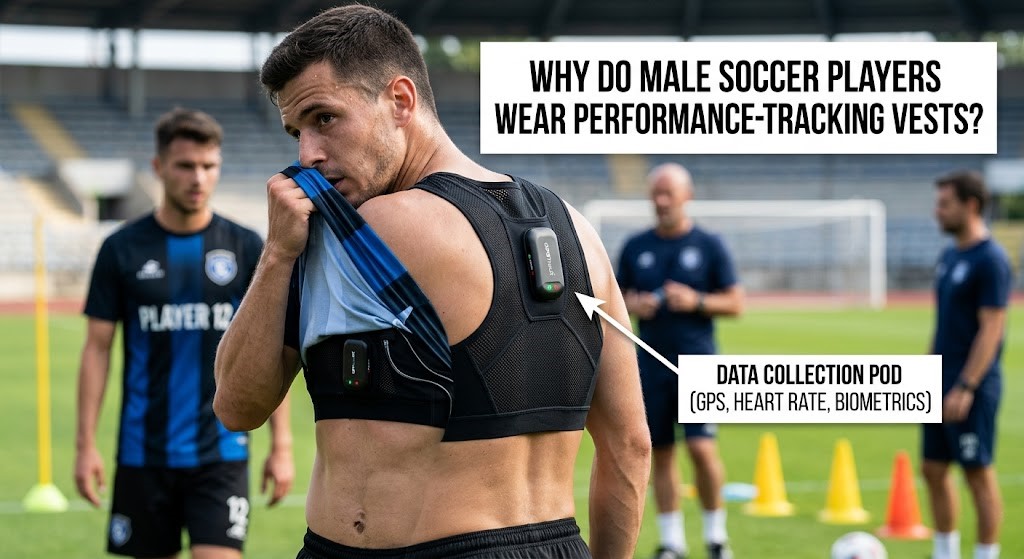
1. Base Layer (Thermal Compression Shirt)
The most important layer to wear under a soccer uniform is a thermal compression shirt.
Why it’s important:
- Keeps body heat trapped
- Fits tightly under jersey
- Supports muscles during movement
- Reduces fatigue
Look for moisture-wicking fabric so sweat doesn’t stay on your skin, which can make you colder.
2. Compression Leggings or Tights
Cold weather affects your legs the most because they are constantly moving and exposed.
Benefits of wearing leggings:
- Keeps muscles warm
- Improves blood circulation
- Prevents stiffness
- Reduces injury risk
Many professional players wear full-length compression tights under their shorts during winter matches.
3. Long Sleeve Base Layer Top
Instead of wearing only a short-sleeve jersey, a long-sleeve thermal top is a great option.
Features to look for:
- Lightweight fabric
- Stretch material
- Breathable design
- Sweat control technology
This helps maintain warmth without adding bulk.
4. Gloves for Warmth and Grip
Hands get cold quickly, especially during outdoor matches or training.
Best types of gloves:
- Thin thermal gloves
- Grip-enhanced soccer gloves
- Stretchable sports gloves
Avoid bulky gloves because they can affect ball control.
5. Cold Weather Neck Warmer (Optional)
A neck warmer helps protect against wind and cold air.
Benefits:
- Protects throat from cold air
- Easy to remove during play
- Lightweight and breathable
It’s especially useful during windy matches.
6. Thermal Socks
Feet are one of the most important parts of a soccer player’s performance.
Why thermal socks matter:
- Keep feet warm inside cleats
- Improve comfort during long matches
- Reduce risk of cramps
Make sure socks are not too thick, or they may affect boot fit.
7. Waterproof or Wind-Resistant Outer Layer (Warm-Up Only)
During warm-ups or breaks, players often wear:
- Windbreak jackets
- Light training tops
- Waterproof layers
These help maintain body heat before and after the match.
8. Material Matters Most
When choosing what to wear under your soccer uniform, fabric is more important than thickness.
Best materials:
- Polyester blends
- Spandex
- Thermal microfiber
- Moisture-wicking fabrics
Avoid:
- Cotton (stays wet and makes you colder)
9. Fit Is Very Important
All underlayers should be:
- Tight but comfortable
- Stretchable
- Non-restrictive
Loose clothing can cause discomfort and affect performance during running and kicking.
10. Professional Player Style
Many professional soccer players use full cold-weather setups:
- Compression base layers
- Full-length tights
- Thin gloves
- Lightweight thermal shirts
This allows them to perform at high intensity even in freezing conditions.
Final Thoughts
Knowing what to wear under a soccer uniform in cold weather can make a huge difference in performance and comfort. The best approach is layering: start with a thermal compression base layer, add leggings for leg warmth, and use gloves or neck warmers if needed.
The key is to stay warm without adding bulk so you can move freely and play your best game even in harsh weather conditions.